

How Does Light Adjustable Lens Technology Customize Your Vision After Surgery?
For most of the history of cataract surgery, the artificial lens a surgeon placed in your eye was final the moment it went in. You picked a lens before surgery based on careful measurements, and you lived with the result. If your vision landed slightly off from the target, glasses filled the gap. The Light…
Read More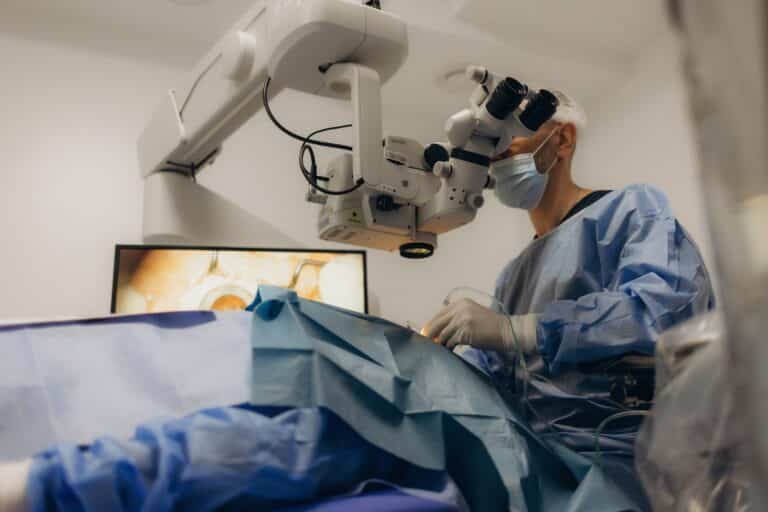
Introducing WaveLight Plus Ray Tracing LASIK
Posted by: Kent Kirk, MD in Newsletter
As a refractive surgeon, we have seen LASIK evolve dramatically over the course of our careers. What was once a relatively straightforward decision based primarily on refractive error and corneal measurements has become a much more comprehensive evaluation of the patient’s visual system. I am excited to share a significant advancement in that evolution: WaveLight…
Read More
How to Maintain Your Blepharoplasty Results Long-Term
The skin around your eyes is some of the thinnest and most delicate on your entire body, which is why it often shows the first signs of aging. Over time, that skin can stretch, sag, and puff, leaving you looking tired even when you feel fine. Eyelid surgery, also called blepharoplasty, addresses those changes by…
Read More
7 Questions to Ask Your Doctor When Choosing Your Cataract Lens Implant
Hearing that you need cataract surgery often comes with an unexpected surprise: you get to help choose the lens that will go inside your eye. This artificial lens, called an intraocular lens (IOL), replaces your eye’s cloudy natural lens and stays there for the rest of your life. The choice shapes how you see every…
Read More
Here Is What Valeda Can Do for Your Dry AMD Patients
By: Tyler Q. Kirk, MD VOLUME 1 | ISSUE 3 Valeda® Light Therapy is the first FDA-authorized photobiomodulation (PBM) treatment for Dry Age-Related Macular Degeneration (AMD). Using red, yellow, and near-infrared light to stimulate retinal cells, enhances mitochondrial function, promotes cellular repair, and slows disease progression. In the landmark LightSite III trial, patients with moderate…
Read More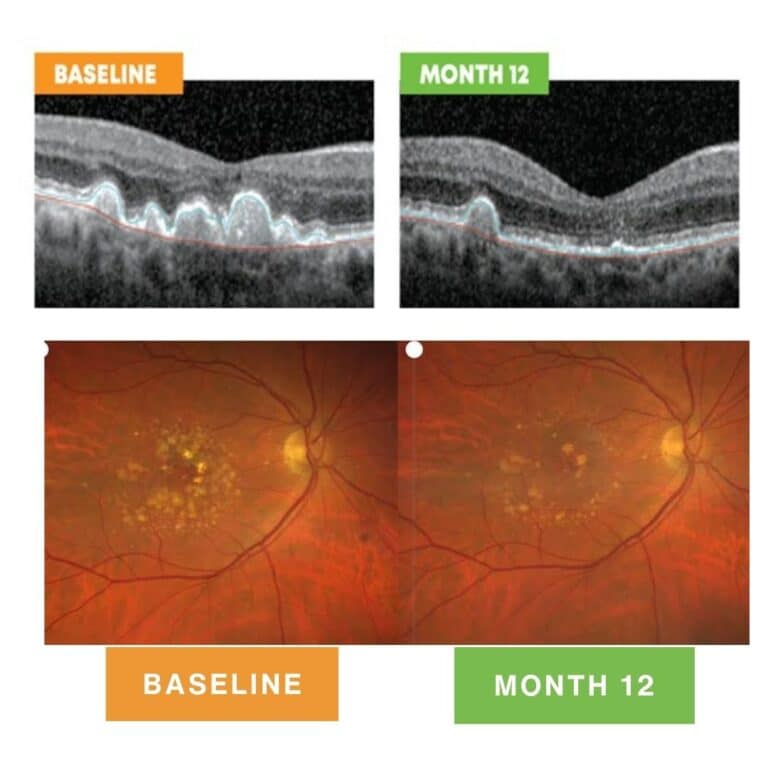
How Does Glaucoma Damage Your Vision?
Glaucoma is one of the leading causes of permanent blindness, yet most people who have it don’t know it yet. There are often no headaches, no pain, no blurry mornings to tip you off. The condition moves quietly, and by the time many patients notice something is wrong, real damage has already been done. Keep…
Read More
Why We Chose the Catalys Laser
By: Tyler Q. Kirk, MD VOLUME 1 | ISSUE 2 Femtosecond Laser -Assisted Cataract Surgery (FLACS) Experience: Reasons to Recommend Who is not a good FLACS candidate?-Prior RK-incomplete capsulotomy-Prior filtering bleb-although liquid interface is gentle, we avoid disrupting thin walled cystic blebs.-Poor dilatation or posterior synechia- unable to have adequate penetrance and capsulotomy-Anterior chamber cell,…
Read More
How to Set Up Your Workspace to Prevent Computer-Related Dry Eye
Most people who spend their days in front of a screen don’t connect their burning, gritty eyes to the desk they’re sitting at. They assume it’s allergies, or tiredness, or just part of getting older. But for many people, the real issue is dry eye syndrome, and the way their workspace is set up is…
Read More
Your Patients Deserve Interventional Glaucoma
By: Tyler Q. Kirk, MD VOLUME 1 | ISSUE 1 For over a decade, Kirk Eye Center has viewed selective laser trabeculoplasty (SLT) as a first-line option for newly diagnosed glaucoma management. We immediately recognized its benefits over topical drop therapy; continuous action, no dependence on compliance, no serious long term side effects, repeatability, and…
Read More
What Is EVO ICL and Why Are More People Choosing It Over LASIK?
LASIK has long been the go-to option for greater visual freedom, and it remains an excellent procedure for the right candidates. But a growing number of patients are choosing a different path, one that doesn’t involve reshaping the cornea at all. EVO ICL is an FDA-approved implantable lens that corrects nearsightedness by adding a precise…
Read More