
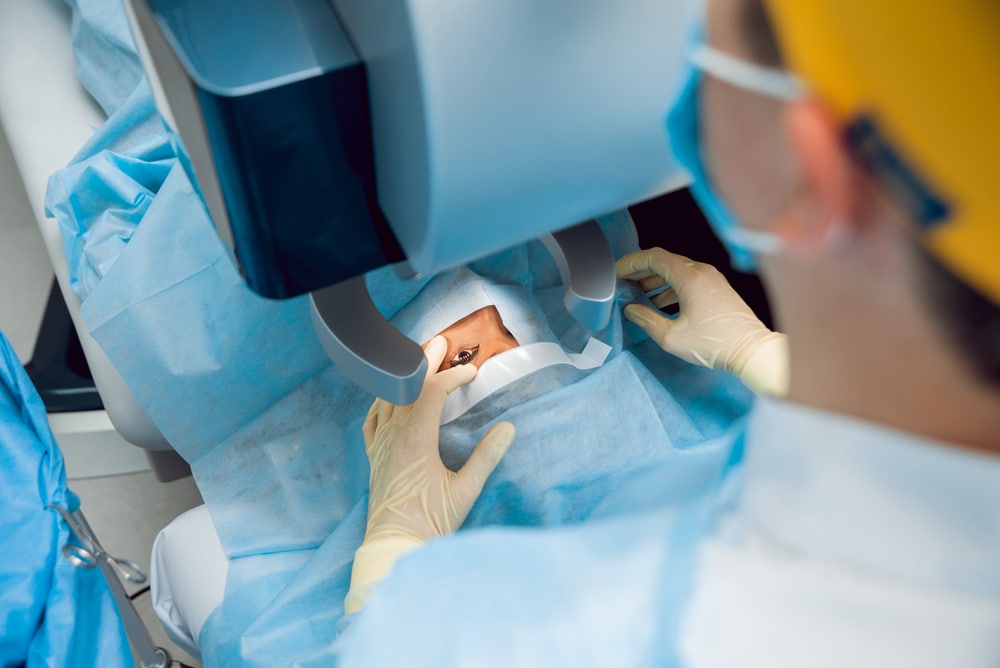
Cataract surgery has evolved dramatically over the past decade with advanced laser technology.
If you’re preparing for cataract treatment, you may have heard about femtosecond laser cataract surgery and wondered how this technology differs from traditional methods. The femtosecond laser is a computer-guided technology that allows surgeons to perform several critical steps with exceptional precision, potentially improving your surgical outcomes and visual results.
Keep reading to learn more about the femtosecond laser and how it works during cataract surgery!
What is Femtosecond Laser Technology?
A femtosecond laser is an ultrafast laser that delivers incredibly short pulses of energy measured in femtoseconds. To put this in perspective, a femtosecond is one quadrillionth of a second. These ultra-brief pulses let the laser make clean incisions in your eye with virtually no impact on nearby tissue.
Originally developed for other purposes, this technology was later adapted for eye surgery. Surgeons first used femtosecond lasers for LASIK procedures to create corneal flaps with pinpoint accuracy.
Unlike traditional surgical blades, the femtosecond laser uses focused light energy to make cuts and break apart tissue. The laser can be programmed with exact specifications for size, depth, and location, taking much of the guesswork out of manual techniques.
How the Femtosecond Laser Functions During Cataract Surgery
The femtosecond laser handles several important steps during your procedure. Each step is designed to increase accuracy and potentially give you better results.
Creating the Corneal Incisions
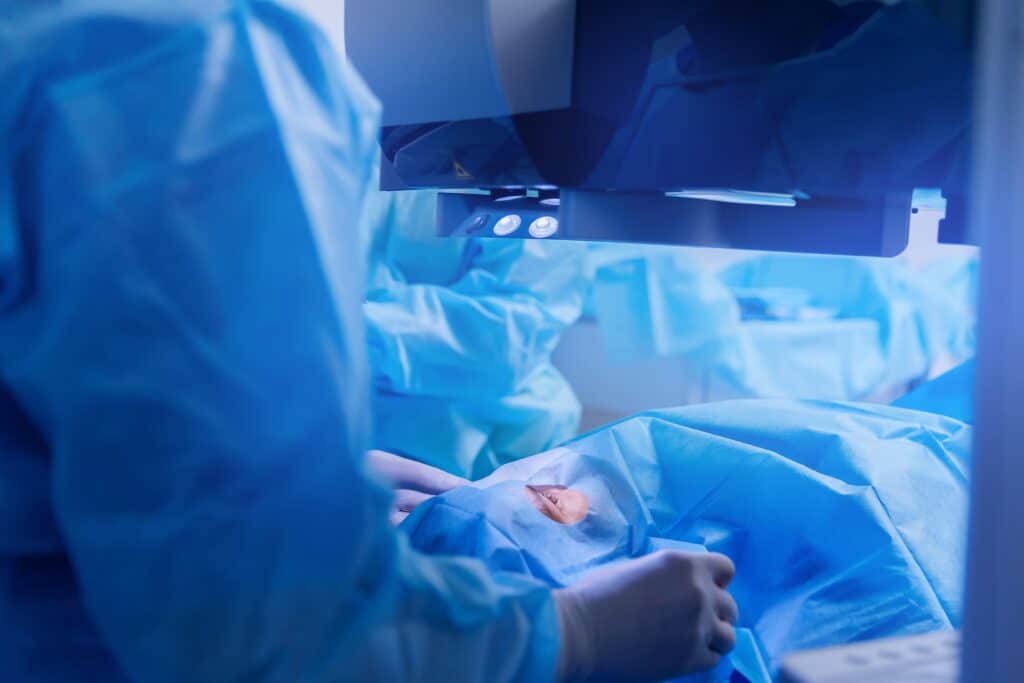
Your surgeon starts by using the femtosecond laser to create the tiny openings needed to reach inside your eye. Based on detailed 3D images of your eye, the computer controls the laser to create these incisions in the cornea with perfect accuracy. The incision matches your eye’s unique shape and structure.
These laser-created openings offer several advantages over manual methods:
- They seal more reliably, which may lower your risk of infection
- The exact size and consistent depth help you heal faster
- The computer guidance puts the cuts exactly where they need to be for the best outcome
Performing the Capsulotomy
The capsulotomy ranks among the most important steps in cataract surgery. Your surgeon creates a circular opening in the lens capsule, which is the thin membrane surrounding your clouded lens.
This opening allows removal of the cataract and insertion of your new artificial lens. The femtosecond laser creates an almost perfectly circular opening with smooth, even edges. This accuracy matters because the size and shape of this opening directly affect how well your new lens positions and functions.
Better capsulotomy accuracy means your lens implant positions correctly. When your new lens sits exactly where it should, you’re more likely to achieve your best possible vision, especially important with premium lenses designed to reduce your need for glasses.
Fragmenting the Cataract
Before your surgeon can remove the clouded lens, it needs to be broken into smaller pieces. Traditionally, surgeons use sound wave energy to break up and remove the cataract. The femtosecond laser can pre-soften or fragment the cataract before this step.
The laser creates a careful pattern of cuts within the cataract, essentially chopping it into sections. This reduces how much sound wave energy your surgeon needs to remove the lens fragments. Using less sound wave energy is gentler on the delicate structures inside your eye, particularly the inner corneal cell layer that keeps your cornea clear.
Reduced sound wave time may mean less swelling after surgery and potentially faster vision recovery. The accurate laser fragmentation also makes it easier to remove dense or harder cataracts that would otherwise require more aggressive treatment.
Advantages of Femtosecond Laser Technology in Cataract Surgery

The accuracy offered by femtosecond laser technology provides several potential benefits throughout your procedure and recovery. These advantages come from computer-guided accuracy that surpasses manual techniques.
Enhanced accuracy in every step reduces variability and increases predictability. Your surgeon can customize the treatment based on detailed measurements of your eye’s unique anatomy. The laser follows this customized plan with microscopic accuracy.
Improved lens positioning from the accurate capsulotomy enhances your vision outcome. Premium lens implants designed to correct astigmatism or provide multiple focal points require exact positioning to work properly. The femtosecond laser’s accuracy helps these advanced lenses deliver their intended benefits.
Many patients experience faster vision recovery with laser-assisted cataract surgery. The accuracy and reduced stress to eye tissues often mean quicker healing. While results vary by person, the technology’s gentle approach supports your eye’s natural healing process.
What to Expect During Your Femtosecond Laser Cataract Procedure
Knowing what happens during your surgery helps reduce anxiety and prepares you for the experience.
Your cataract surgeon begins with detailed imaging of your eye using advanced equipment. These measurements create a 3D map of your eye’s anatomy, which programs the femtosecond laser with your customized treatment plan. This planning phase makes sure the laser treatment matches your eye’s unique characteristics.
During the laser portion, you’ll rest comfortably while the laser system positions over your eye. The laser treatment itself only takes a few minutes.
Most patients report feeling gentle pressure but no pain. The computer-guided laser performs the cuts, capsulotomy, and cataract fragmentation according to the customized plan.
After the laser completes its work, your surgeon continues with the remaining steps of cataract removal and lens placement. The entire procedure typically takes less than 30 minutes from start to finish. You remain awake but comfortable with numbing drops and mild sedation if needed.
Making Your Cataract Surgery Decision
Learning about femtosecond laser technology gives you valuable information for discussing your cataract treatment options. The precision and potential benefits of this advanced approach make it worth considering, especially if you’re choosing premium lens implants designed to reduce your dependence on glasses.
Ready to explore advanced cataract surgery options? Schedule a cataract evaluation at Kirk Eye Center in one of our Chicagoland locations to learn whether femtosecond laser-assisted surgery is the right choice for your vision restoration journey.