
Your vehicle represents independence and freedom, so questions about your ability to safely operate it after a glaucoma diagnosis can feel overwhelming.
However, glaucoma doesn’t automatically mean you have to give up your keys. The answer to whether you can drive with glaucoma depends on several factors, including the stage of your condition, its level of management, and whether you meet your state’s vision requirements for driving.
Many people with glaucoma continue to drive safely for years after their diagnosis. Keep reading to learn how glaucoma affects your vision, what legal requirements you need to meet, and how to stay safe behind the wheel while managing this condition!
How Does Glaucoma Affect Your Vision?
Glaucoma is often called the “silent thief” because it gradually damages your optic nerve, typically starting with your peripheral (side) vision. This happens so slowly that many people don’t notice any changes at first. You might be able to see clearly straight ahead while your side vision is quietly deteriorating.
The pressure buildup inside your eye damages the optic nerve fibers that send visual information to your brain. These nerve fibers from the outer edges of your retina are often affected first, which is why peripheral vision loss is usually the earliest sign of glaucoma.
As the condition progresses without treatment, the field of vision continues to narrow, eventually creating what’s known as tunnel vision.
Central vision (what you see when looking straight ahead) often stays sharp until the later stages of glaucoma. This is why regular comprehensive eye exams are so important.
Advanced diagnostic technology can be used to detect glaucoma-related vision changes before they become noticeable to you. Early detection allows for treatment that can slow or stop further vision loss.
What Are the Legal Vision Requirements for Driving?
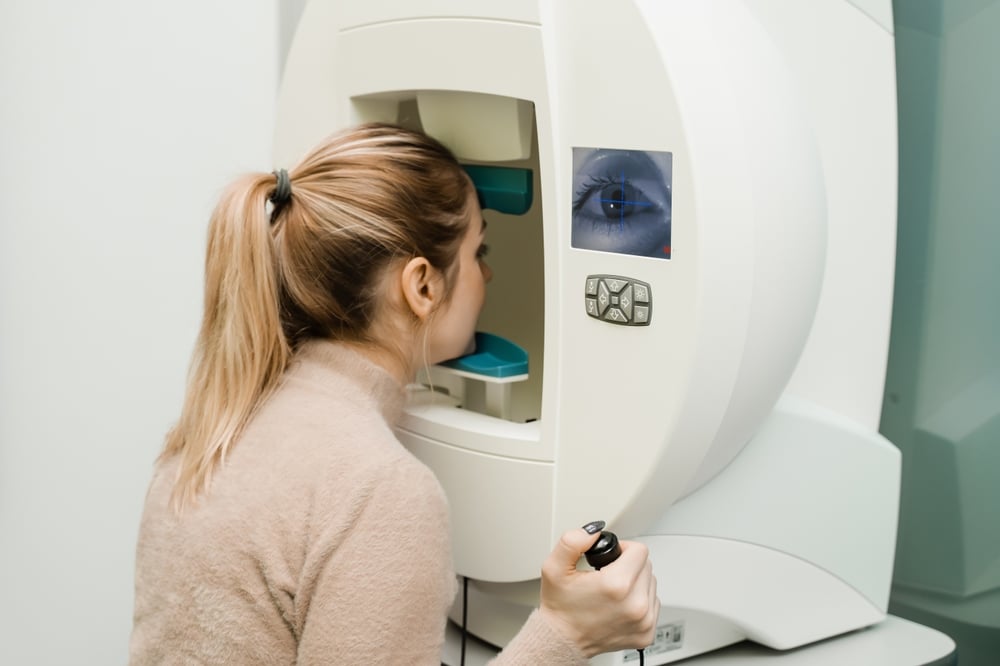
Each state sets its own vision standards for drivers, and these requirements can vary significantly. Most states require two main components: visual acuity (how clearly you see) and visual field (how much you can see to the sides while looking straight ahead).
Visual acuity requirements typically range from 20/40 to 20/60 in at least one eye. This measures how well you can see details and read letters on an eye chart.
The visual field requirement is particularly relevant for glaucoma patients because this condition primarily affects peripheral vision. Most states require a visual field of at least 120 to 140 degrees horizontally, though some require only 105 degrees.
According to the Illinois Secretary of State, in Illinois, drivers must have at least 20/40 vision (with or without correction) and a horizontal visual field of at least 140 degrees. Your eye doctor can provide documentation of your vision capabilities to the Department of Motor Vehicles if needed.
Can You Drive in the Early Stages of Glaucoma?
Most people with early glaucoma can continue driving without any problems. When glaucoma is caught early and treated properly, your vision may stay stable for many years. In fact, plenty of patients drive safely for decades after their diagnosis.
Staying on top of your treatment is what makes the difference. Use your eye drops every day as your doctor prescribes, come in for your regular checkups, and pay attention to any vision changes. Missing doses of your eye drops can let the pressure build back up in your eyes, which can damage your vision over time.
During your visits to Kirk Eye Center, your eye doctor will test your side vision to see if anything has changed. If these tests show your side vision is still good and you meet what the state requires, you should be fine to keep driving.
When Does Glaucoma Affect Driving Ability?
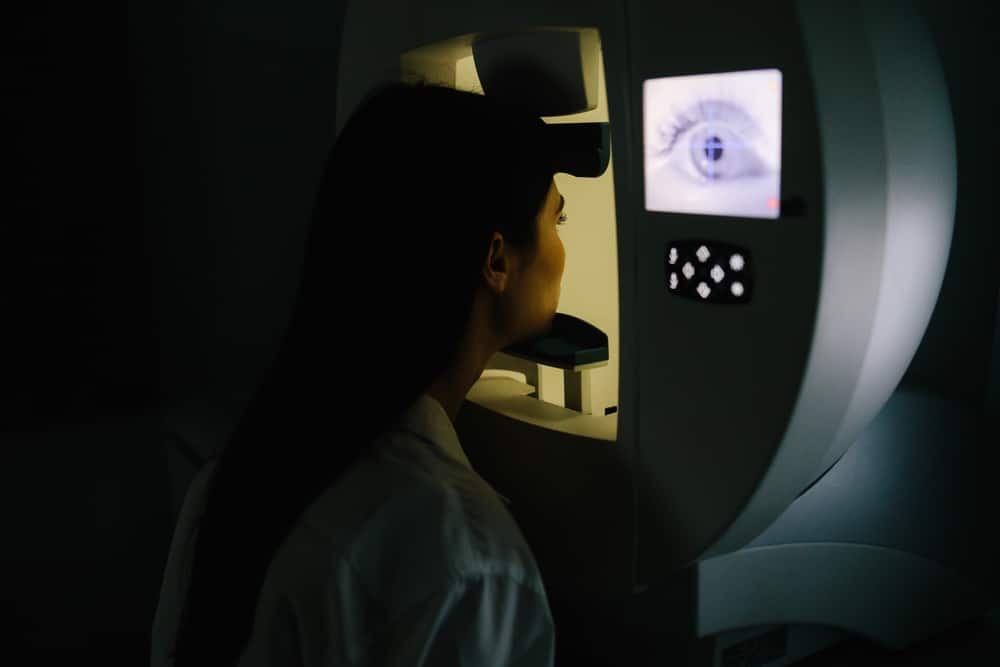
Glaucoma starts to impact your driving when you begin losing enough side vision that you can’t see things happening around you. You might miss a car in the next lane over, not notice someone about to cross the street, or have trouble spotting traffic lights.
Many people start turning their heads a lot more to make up for what they’re not seeing out of the corners of their eyes.
As glaucoma gets worse, figuring out how far away things are or how fast they’re moving becomes harder. This makes tricky driving situations like getting on the highway, switching lanes, or going through busy intersections more stressful.
When you’re missing information from your side vision, you can’t react as quickly to what’s happening around you. You might turn your head to check your blind spot, but by then, a car or person has already moved into a risky position. Some people start feeling less sure of themselves while driving and begin avoiding heavy traffic or roads they don’t know well.
If any of this sounds familiar, talk with your eye doctor. They can check whether your vision is still safe for driving and talk about treatments that might help protect the vision you have left.
Are you concerned about how glaucoma might affect your driving or daily activities? Schedule an appointment with our experienced team at Kirk Eye Center in River Forest or Gurnee, IL.